
Experience that comes from doing the work
Inventor of two top-rated women’s health devices, used by over 1 million women in 50+ countries
Obtained three 510(k) clearances in 12 months
Led 17+ clinical and RWE studies
Authored over 80 peer-reviewed publications
Board of Directors member; Advisory Board chair
Global Canadian Executive, Trade Commissioner Service of Canada
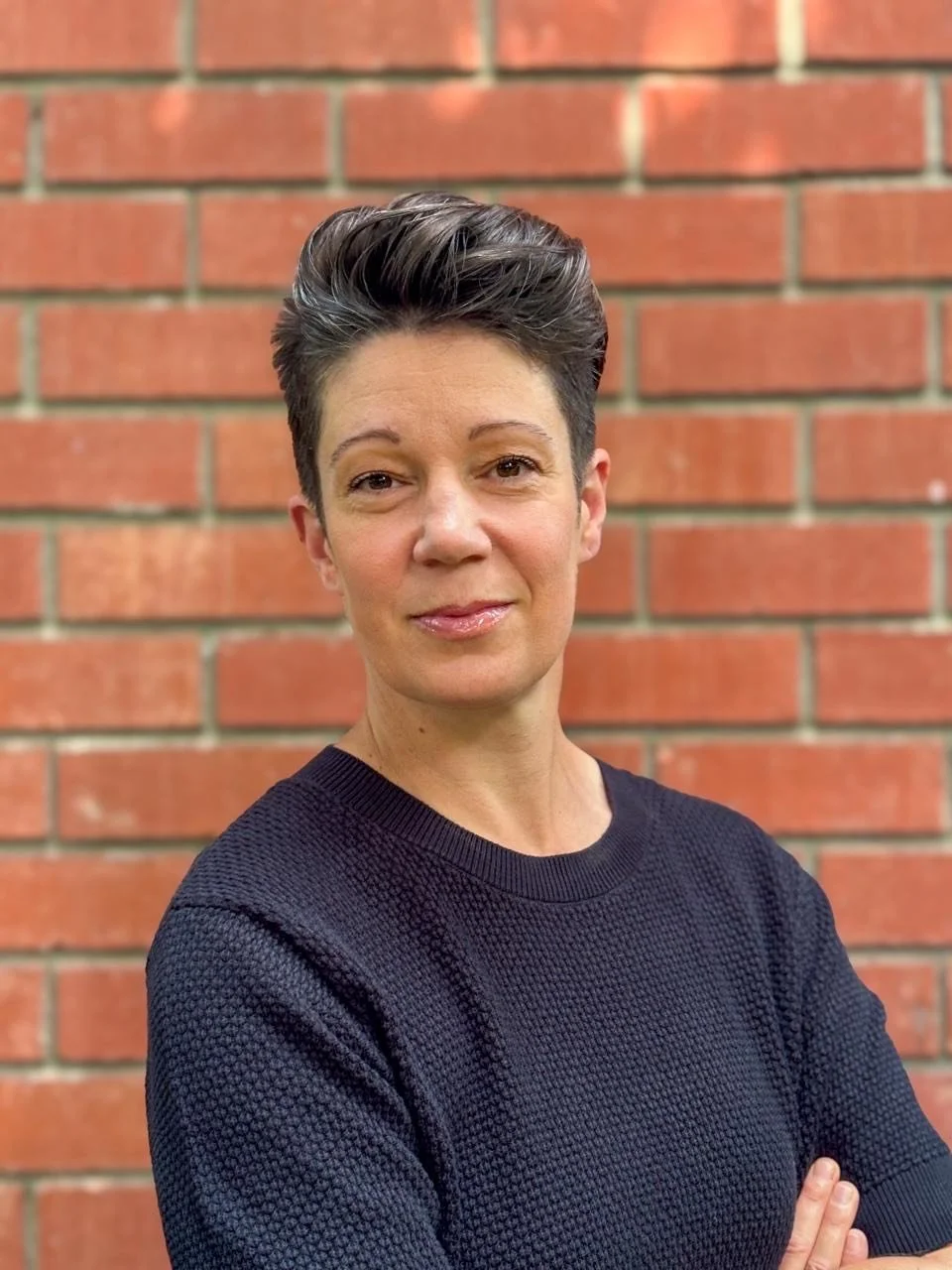
My approach
In medical device development, science, product, and regulatory get treated as sequential workstreams. Build, then validate, then navigate regulatory. That sequence is a fiction, and an expensive one.
Product decisions have direct consequences for your regulatory pathway. Your clinical evidence strategy should shape your device design, not scramble to justify it after the fact. Your QMS needs to exist before your product does, but not be so elaborate that it buries a team that doesn't have a working prototype.
I've watched both failure modes play out: companies that built first and retrofitted compliance around it, and companies that over-engineered infrastructure relative to their product TRL. Both cost far more in the end: delayed clearances or going down the wrong regulatory pathway, failed audits, having to change a key feature after product validation.
Getting it right the first time saves both time and money. Holding science, product, and regulatory together is what separates a clean raise from a stalled one, and gives teams clarity around what they are building.